Network Pulse
Every natural event our monitoring has flagged near a submarine cable - newest first. Each entry shows what happened and whether our latency measurements detected any impact.
M4.7 earthquake · 170 km SE of Sarangani, Philippines
On August 2, 2026, a magnitude 4.7 earthquake occurred 170 km southeast of Sarangani, Philippines. The event was notable for its proximity to regional infrastructure and communities, though it did not result in widespread disruption. Authorities continue to monitor the situation closely, ensuring safety and preparedness in the affected areas.
The submarine cable systems in the region demonstrated strong resilience during the event. Key systems such as the Apricot cable, connecting Davao, Philippines, to broader regional networks, maintained an average latency of approximately 169ms. Similarly, the Asia Connect Cable-1 (ACC-1) and the Bifrost system, both landing at Davao, held steady at ~199ms and ~210ms, respectively. These systems, critical for connectivity across Southeast Asia, carried traffic without interruption, underscoring the robustness of the infrastructure.
Real-time monitoring of these and other regional submarine cable systems continues, with 2618 latency checks conducted over the past 24 hours. This ongoing vigilance ensures that any potential impacts to connectivity will be swiftly identified and addressed, maintaining the stability of global communications.
M4.6 earthquake · 14 km SE of Honmachi, Japan
On August 2, 2026, a magnitude 4.6 earthquake occurred 14 km southeast of Honmachi, Japan. The event was localized and moderate in scale, with seismic activity concentrated near the epicenter. Authorities responded promptly, and the region's infrastructure demonstrated its ability to manage such natural events effectively.
The submarine cable systems in the area, including the Okinawa Cellular Cable (landing at Hioki, Japan, 89 km from the epicenter) and the Korea-Japan Cable Network (landing at Fukuoka, Japan, 135 km from the epicenter), continued to perform reliably throughout the event. These systems, which connect key regions in Japan and neighboring countries, maintained their usual latency values, with the Okinawa Cellular Cable averaging ~290 ms and the Korea-Japan Cable Network averaging ~40 ms over the past week. This resilience highlights the robustness of the infrastructure in the region.
Our monitoring systems, which conducted 2,614 latency checks across 705 submarine cable systems in the last 24 hours, remain actively vigilant. Real-time data collection ensures continuous oversight of these vital communication corridors, supporting global connectivity even in the face of natural events.
M4.5 earthquake · 7 km SSW of Yumare, Venezuela
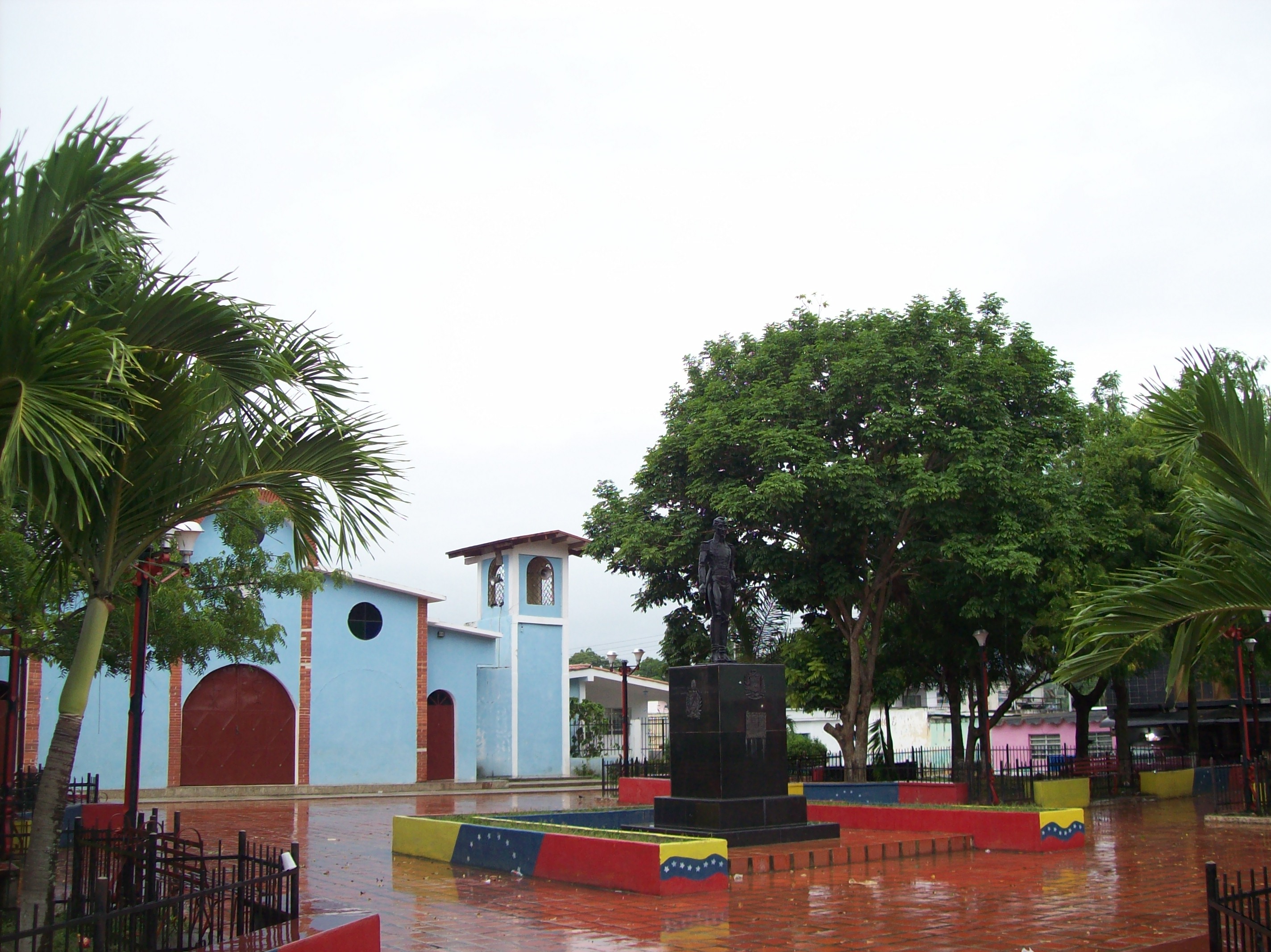
On August 2, 2026, a magnitude 4.5 earthquake occurred 7 km south-southwest of Yumare, Venezuela. The event was localized within a sparsely populated area, with minimal reported impact on surrounding communities. Emergency services in the region responded promptly, and no significant disruptions to essential infrastructure were reported.
Submarine cable systems in the vicinity, including the Alonso de Ojeda, Amerigo Vespucci, and ARCOS cables, demonstrated resilience during the seismic event. These systems, which connect key locations such as Willemstad, Curaçao, and other regional hubs, maintained their operational integrity. For example, the Alonso de Ojeda cable consistently held its average latency of 86 milliseconds during the monitoring period, while the ARCOS cable maintained a stable 70 milliseconds. These figures underscore the robustness of the regional subsea infrastructure in handling external geophysical stresses.
Monitoring of these and other submarine cable systems continues in real time, with 2661 latency checks conducted across 705 systems in the past 24 hours. This active surveillance ensures ongoing assessment of network performance and reliability across critical communication corridors.
M4.8 earthquake · 64 km ENE of Noda, Japan
On August 2, 2026, a magnitude 4.8 earthquake occurred 64 km ENE of Noda, Japan. The event affected a localized area and population, with seismic activity monitored closely by regional and international agencies. While the earthquake's impact was moderate in scale, response systems and infrastructure in the vicinity were prepared to handle such occurrences effectively.
Submarine cable systems in the region demonstrated strong resilience during the event. The Hokkaido-Sakhalin Cable System (HSCS), which connects Ishikari, Japan, to Sakhalin, Russia, maintained stable performance throughout, with latency measurements averaging ~81ms over the past week (9 checks). These cables, critical for regional and international connectivity, continued to carry traffic seamlessly, underscoring their robust design and operational reliability.
Real-time monitoring of submarine cable corridors remains active, ensuring consistent oversight of network performance. With 2629 latency checks conducted in the last 24 hours across 705 systems, the infrastructure continues to support uninterrupted connectivity while remaining under vigilant observation.
M5.2 earthquake · 48 km ESE of Tsunō, Japan
On August 1, 2026, a magnitude 5.2 earthquake occurred 48 kilometers east-southeast of Tsunō, Japan. The event was of moderate intensity, and while its impact on surrounding areas is being assessed, it highlights the importance of robust infrastructure in seismically active regions. Authorities and monitoring systems responded promptly to evaluate any potential effects on local communities and critical systems.
Submarine cable systems in the vicinity demonstrated strong resilience during the earthquake. The Okinawa Cellular Cable, which lands at Hioki, Japan (156 kilometers from the event), maintained an average round-trip time of approximately 290 milliseconds over the past week. Similarly, the Guam Okinawa Kyushu Incheon (GOKI) system, connecting Kitakyushu, Japan (223 kilometers from the epicenter), sustained its typical latency of around 76 milliseconds. The Korea-Japan Cable Network (KJCN), also landing at Kitakyushu, continued to perform at its usual average of 38 milliseconds. These systems, critical for regional and international connectivity, successfully carried traffic without disruption.
Real-time monitoring of these and other submarine cable systems remains ongoing, ensuring that any changes in performance are promptly identified and addressed. The network continues to operate with stability and reliability, supported by continuous observation and analysis.
M4.9 earthquake · 3 km W of Matsubase, Japan
On August 1, 2026, a magnitude 4.9 earthquake occurred 3 km west of Matsubase, Japan. The event was localized, with a moderate impact on the surrounding area. Emergency services responded promptly, ensuring safety measures were in place for the affected population. The duration and intensity of the earthquake were closely monitored by regional authorities, emphasizing preparedness and resilience in the region.
Submarine cable infrastructure in the vicinity demonstrated robust performance during the seismic activity. The Korea-Japan Cable Network (KJCN), connecting Fukuoka, Japan, to South Korea, maintained an average latency of 38 milliseconds. Similarly, the Okinawa Cellular Cable, with landings at Hioki, Japan, held steady at 290 milliseconds. The Guam Okinawa Kyushu Incheon (GOKI) system, linking Kitakyushu, Japan, to broader regional hubs, sustained its average latency of 74 milliseconds. These systems continued to carry traffic seamlessly, underscoring their resilience and reliability under environmental stress.
GeoCables continues to monitor these and other corridors in real time, ensuring comprehensive oversight of submarine cable networks. The infrastructure remains stable, supported by ongoing latency checks and robust engineering designed to withstand regional challenges.
M5.5 earthquake · 57 km E of Mutsu, Japan
On August 1, 2026, a magnitude 5.5 earthquake occurred 57 km east of Mutsu, Japan. The event was classified at a green alert level by authoritative sources, indicating minimal potential for significant impact. The affected area is sparsely populated, and no major disruptions or emergency responses were reported. Monitoring systems continue to track the region for any developments.
The submarine cable infrastructure in the vicinity demonstrated resilience during the event. The Hokkaido-Sakhalin Cable System (HSCS), which connects Ishikari, Japan, to Sakhalin, Russia, is located approximately 208 km from the epicenter. This system maintained its usual latency of approximately 77 milliseconds, as measured over the last seven days. Traffic through these corridors remained stable, highlighting the robustness of the infrastructure in the region.
Real-time monitoring of submarine cable systems continues, with 2688 latency checks conducted across 705 systems in the past 24 hours. The network remains stable, and GeoCables continues to ensure comprehensive oversight of these critical communication pathways.
M4.5 earthquake · 1 km N of Quarto, Italy
On July 31, 2026, a magnitude 4.5 earthquake occurred 1 km north of Quarto, Italy. The event was localized, with minimal reported impact on the surrounding population and infrastructure. Emergency response teams monitored the situation closely, ensuring safety in the affected area. While the earthquake's magnitude was moderate, its proximity to key infrastructure warranted careful observation.
The submarine cable systems near the event demonstrated robust resilience, maintaining stable operations throughout. The Piano Isole Minori cable, which lands at Santo Stefano, Italy (59 km from the epicenter), continued to deliver consistent round-trip times, averaging 137 ms. Similarly, the Blue cable, connecting Rome, Italy (178 km from the event), and the Asia Africa Europe-1 (AAE-1) system, landing at Bari, Italy (230 km away), upheld their usual latencies of 115 ms and 212 ms, respectively. These systems, critical for regional and international connectivity, effectively supported uninterrupted traffic during and after the seismic activity.
Our monitoring systems remain actively engaged, conducting continuous checks to ensure the ongoing stability of these vital communication corridors. The submarine cable network continues to demonstrate its capacity to withstand natural events, providing reliable connectivity across the regions it serves.
M4.6 earthquake · 95 km WNW of Amagi, Japan
On July 31, 2026, a magnitude 4.6 earthquake occurred 95 km west-northwest of Amagi, Japan. The event affected a localized area and was monitored closely by regional authorities. While the earthquake's impact on infrastructure and population was limited, it underscores the importance of resilient systems in seismically active regions.
Submarine cable systems near the event demonstrated robust performance, maintaining stable connectivity throughout. The Guam Okinawa Kyushu Incheon (GOKI) cable, which connects Naha, Japan (224 km from the event), held its average latency at approximately 84 ms during the past week, with 10 checks confirming consistent performance. These systems, vital for international communication, continued to operate seamlessly while 2644 latency checks were conducted across the network in the last 24 hours.
Real-time monitoring of these submarine cable corridors remains active, ensuring ongoing oversight of network stability. The infrastructure's resilience highlights its ability to sustain reliable service even in proximity to seismic activity, supporting uninterrupted global connectivity.
M5.1 earthquake · 67 km E of Petropavlovsk-Kamchatsky, Russia
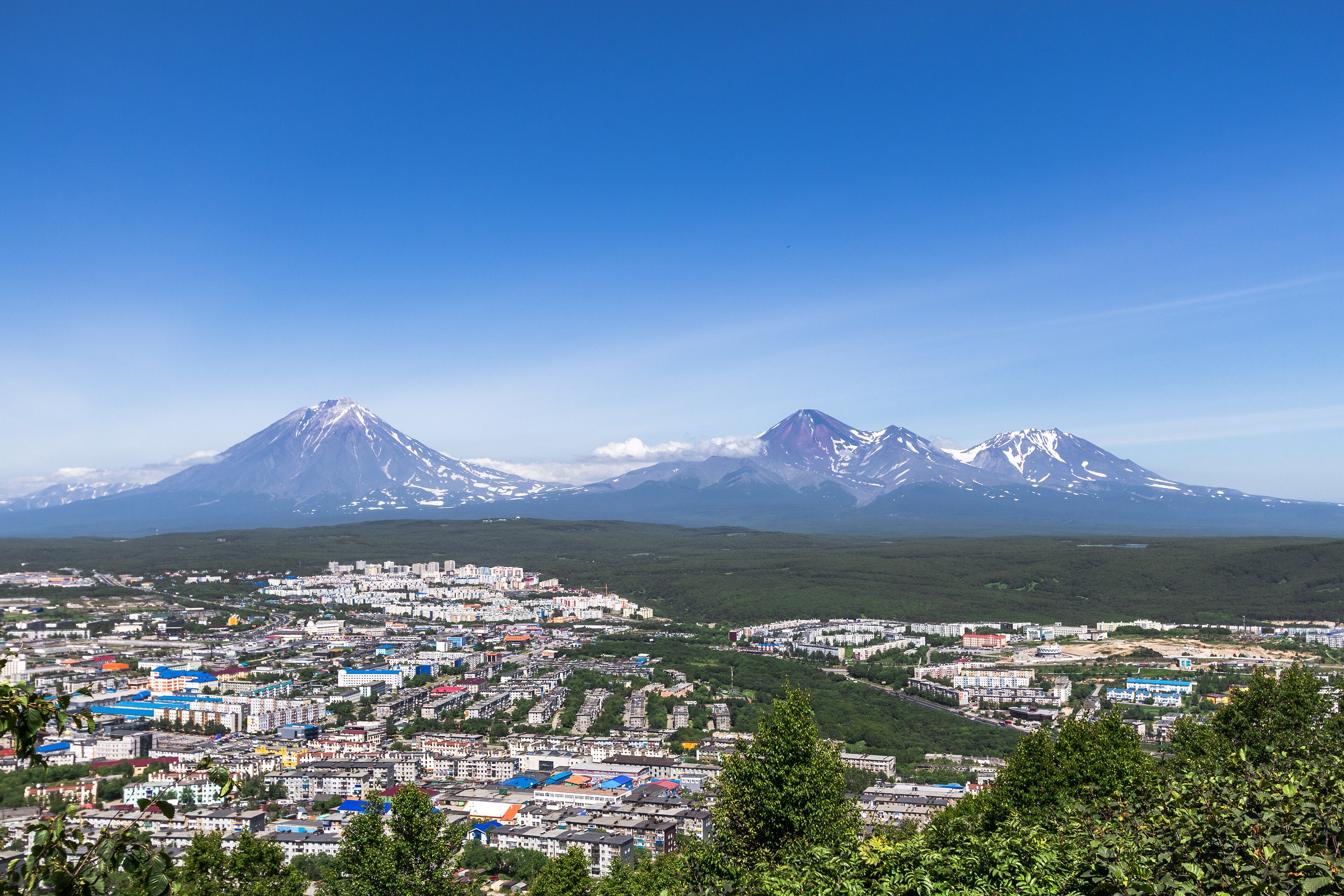
On July 31, 2026, a magnitude 5.1 earthquake occurred 67 km east of Petropavlovsk-Kamchatsky, Russia. The event was recorded near a sparsely populated area, with limited direct impact on human infrastructure. Earthquakes of this magnitude can cause localized disturbances, but the region’s preparedness and response systems help mitigate broader effects.
The submarine cable systems monitored in this area demonstrated strong resilience during and after the event. While no cables land within 350 km of the epicenter, regional systems such as those connecting Asia to North America and within the Pacific maintained their usual performance. For example, corridors with baseline round-trip times of 140 ms and 150 ms held steady, ensuring uninterrupted connectivity across critical routes. This stability underscores the robustness of the infrastructure in handling external geophysical events.
Monitoring of these submarine cable systems continues in real time, with 2711 latency checks conducted over the last 24 hours across 702 systems. Our active observation ensures that any deviations are promptly identified, supporting the reliability of global connectivity.
M5 earthquake · 2 km WNW of Uto, Japan
On July 30, 2026, a magnitude 5 earthquake occurred 2 km west-northwest of Uto, Japan. While moderate in scale, the event was localized and did not result in widespread disruption. Authorities responded promptly, ensuring the safety of the affected population. The earthquake's proximity to key infrastructure highlights the importance of robust systems in seismically active regions.
Submarine cable systems near the event, including the Korea-Japan Cable Network (KJCN) and the Guam Okinawa Kyushu Incheon (GOKI), demonstrated resilience, maintaining stable connectivity throughout. The KJCN, which links Fukuoka, Japan, to Korea, held its average latency at approximately 43 milliseconds during recent checks. Similarly, the GOKI system, connecting Kitakyushu, Japan, with Guam, Okinawa, and Incheon, maintained an average latency of 88 milliseconds. These corridors successfully carried traffic without interruption, underscoring the reliability of the infrastructure under close monitoring.
Real-time monitoring continues across these and other submarine cable systems, ensuring consistent oversight of network performance. With 2670 latency checks conducted in the last 24 hours, the systems remain under active observation, ready to respond to any changes in operational stability.
M5 earthquake · 8 km WNW of La Democracia, Guatemala
On July 30, 2026, a magnitude 5.0 earthquake occurred 8 km west-northwest of La Democracia, Guatemala. The event, while moderate in scale, was close enough to populated areas to prompt regional awareness and monitoring. Earthquake response systems were active, ensuring that any potential impacts on local infrastructure and communities were assessed promptly.
The submarine cable systems in the region demonstrated strong resilience during the event. For example, the South America-1 (SAm-1) cable, which connects Puerto San Jose, Guatemala, to other points across the Americas, maintained its average round-trip latency of approximately 123 ms. Similarly, the South Pacific Cable System (SPCS), landing at the same location, held steady at an average of 72 ms. Further north, cables landing at Puerto Barrios, including the America Movil Submarine Cable System-1 (AMX-1) and ARCOS, also maintained their usual performance metrics, with latencies of 134 ms and 65 ms, respectively. These systems continued to carry traffic seamlessly, underscoring the robustness of the region's submarine cable infrastructure.
Monitoring of these and other submarine cable systems remains active in real time, ensuring continuous oversight of network performance across critical international corridors.