Network Pulse
Every natural event our monitoring has flagged near a submarine cable - newest first. Each entry shows what happened and whether our latency measurements detected any impact.
M4.6 earthquake · 7 km SSW of Caburan, Philippines
On August 8, 2026, a magnitude 4.6 earthquake occurred 7 km south-southwest of Caburan, Philippines. The event was localized, with its impact concentrated near the epicenter, approximately 137 km from Davao and 310 km from Cagayan de Oro. Authorities have been monitoring the situation closely and providing updates through real-time notifications and web services.
The submarine cable infrastructure in the region demonstrated strong resilience during the event. Key systems such as Apricot, Asia Connect Cable-1 (ACC-1), and SEA-US, all of which land in Davao, maintained their typical performance, with average latencies holding steady at ~174ms, ~200ms, and ~219ms, respectively. These systems, connecting critical routes across the Asia-Pacific region, continued to carry traffic without disruption. Similarly, domestic networks like the Converge Domestic Submarine Cable Network (CDSCN) and the Philippine Domestic Submarine Cable Network (PDSCN), both landing in Cagayan de Oro, upheld their usual round-trip times of ~172ms, showcasing their robustness.
Our monitoring systems remain actively engaged, continuously tracking the performance of these and other submarine cable systems. Real-time data collection ensures that any changes in network behavior are promptly identified, supporting the ongoing reliability of global connectivity.
M4.8 earthquake · 108 km NNW of Batang, Indonesia
On August 7, 2026, a magnitude 4.8 earthquake occurred 108 km north-northwest of Batang, Indonesia. The event was centered in a region with a moderate population density and was monitored closely by regional and global seismic networks. While the earthquake was notable, its impact on critical infrastructure in the vicinity, including submarine cable systems, was minimal due to its moderate magnitude and distance from key facilities.
The Apricot cable system, which lands at Tanjung Pakis, Indonesia (approximately 345 km from the earthquake's epicenter), demonstrated its resilience by maintaining stable operations throughout. This system, which connects key locations across Asia, consistently held its baseline latency of approximately 174 ms during the last seven days, based on 11 checks conducted in that period. Across the 705 submarine cable systems monitored globally, 2555 latency checks over the past 24 hours confirmed the robust performance of these critical communication corridors.
Real-time monitoring of these and other submarine cable systems continues, ensuring the ongoing stability and reliability of global connectivity. This continuous oversight helps safeguard the infrastructure that underpins international communications and data exchange.
M5 earthquake · 7 km NW of Cabacao, Philippines
On August 7, 2026, a magnitude 5.0 earthquake occurred 7 km northwest of Cabacao, Philippines. The event was localized, with its epicenter near coastal areas, approximately 58 to 78 km from several key submarine cable landing points. While the earthquake was moderate in magnitude, its proximity to vital infrastructure underscored the importance of robust systems in maintaining connectivity. Local authorities responded promptly, and the event did not escalate into a broader emergency.
The submarine cable systems in the region demonstrated strong resilience during and after the earthquake. The Philippine Domestic Submarine Cable Network (PDSCN), which connects various islands in the Philippines, maintained its average latency of approximately 172 ms. Similarly, the Asia Direct Cable (ADC) and EAC-C2C systems, both landing in Batangas, continued to operate at their typical latencies of 189 ms and 146 ms, respectively. These systems, along with others in the vicinity, successfully carried traffic without interruption, ensuring stable communications across the region.
Our monitoring efforts remain active, with 2,626 latency checks conducted across 705 submarine cable systems in the past 24 hours. These systems, including those near the earthquake's epicenter, continue to be closely observed in real time to ensure the highest levels of operational reliability.
M4.6 earthquake · 5 km ENE of Matsubase, Japan
On August 6, 2026, a magnitude 4.6 earthquake occurred 5 km east-northeast of Matsubase, Japan. The event was localized, with its epicenter near coastal areas of Kyushu. While the earthquake's impact on local populations and infrastructure was limited, it underscores the importance of monitoring seismic activity in regions with critical connectivity infrastructure.
The submarine cable systems in the affected area demonstrated robust resilience during the event. The Korea-Japan Cable Network (KJCN), connecting Fukuoka, Japan, to Korea, maintained its average latency of ~36ms, while the Okinawa Cellular Cable, landing at Hioki, Japan, held steady at ~290ms. Additionally, the Guam Okinawa Kyushu Incheon (GOKI) system, which links Kitakyushu, Japan, to broader regional networks, sustained its typical ~64ms latency. These systems continued to carry traffic seamlessly, showcasing the reliability of submarine infrastructure under seismic conditions.
Real-time monitoring of these and other submarine cable systems remains active, with 2586 latency checks conducted over the past 24 hours across 705 monitored systems. This continuous oversight ensures the stability and performance of critical connectivity corridors worldwide.
M4.9 earthquake · 15 km WSW of Honmachi, Japan
On August 6, 2026, a magnitude 4.9 earthquake occurred 15 km west-southwest of Honmachi, Japan. The event affected nearby areas with mild seismic activity, prompting a localized response. Earthquake monitoring systems recorded the event's parameters and provided updates to ensure safety and situational awareness for the affected population.
Submarine cable infrastructure near the epicenter demonstrated resilience during the event. The Okinawa Cellular Cable, which connects Hioki, Japan, to other regions, maintained its average latency of approximately 290 ms across 12 checks over the past week. Similarly, the Korea-Japan Cable Network (KJCN), landing at Fukuoka, Japan, 127 km from the epicenter, upheld its typical latency of around 36 ms during six checks in the same period. These systems continued to carry traffic seamlessly, underscoring the robustness of the infrastructure in this corridor.
Real-time monitoring remains active across these and other submarine cable systems, ensuring consistent oversight of latency and operational performance. With 2549 latency checks conducted in the past 24 hours, the network remains stable and under continuous observation.
M5.3 earthquake · 62 km W of Tobelo, Indonesia

On August 5, 2026, a magnitude 5.3 earthquake occurred 62 km west of Tobelo, Indonesia. The event was localized to an area with a population of approximately 2.5 million, and authorities responded promptly to assess impacts and ensure public safety. The earthquake lasted several seconds, with ground shaking reported in nearby regions, though no widespread disruptions were noted in infrastructure or services.
Submarine cable systems in the vicinity demonstrated strong resilience during the event, maintaining stable connectivity throughout. The SEA-US cable, which links Southeast Asia to the United States and lands at Kauditan, Indonesia, held its average latency at approximately 217ms during the period. Similarly, the Asia Connect Cable-1 (ACC-1) and the Bifrost cable, both landing at Manado, Indonesia, continued to operate reliably, with average latencies of 200ms and 222ms respectively. The Indonesia Global Gateway (IGG) System, also landing at Manado, maintained an impressive average latency of 48ms. These systems are critical to regional and international communication, and their performance underscores the robustness of the infrastructure.
Monitoring of these cable corridors remains active in real time, ensuring continued reliability and stability for global connectivity. Our systems are designed to track and respond to events, reinforcing confidence in the network's resilience.
M6.3 earthquake · 32 km SW of Sarangani, Philippines
On August 5, 2026, a magnitude 6.3 earthquake struck 32 km southwest of Sarangani, Philippines. The event affected nearby communities and prompted local response efforts. Earthquake events of this scale can pose risks to infrastructure in the region, including submarine cable systems that support critical connectivity across Asia and beyond.
The submarine cable systems monitored within 350 km of the epicenter demonstrated resilience during the event. Apricot, Asia Connect Cable-1 (ACC-1), and SEA-US, all landing at Davao, Philippines, carried traffic uninterrupted. These systems connect key hubs across Asia and the Pacific, with latency values holding steady during the earthquake: Apricot maintained an average round-trip time of ~173ms, ACC-1 ~200ms, and SEA-US ~212ms. This stability underscores the robust engineering of these vital communication links.
Monitoring remains active across the region, with 2623 checks conducted in the last 24 hours to ensure continued performance. Submarine cable corridors are critical to global connectivity, and real-time observation helps safeguard their operation during natural events like earthquakes.
M5.7 earthquake · 127 km NW of Ternate, Indonesia

On August 4, 2026, a magnitude 5.7 earthquake occurred 127 km northwest of Ternate, Indonesia. The event, classified with a green alert level, indicates a relatively low likelihood of widespread impact. While the earthquake was felt in the region, its effects on infrastructure and populations were limited, and no significant disruptions have been reported.
The submarine cable systems in the vicinity demonstrated robust performance throughout the event. Notably, the SEA-US cable, which connects Southeast Asia to the United States and lands at Kauditan, Indonesia (158 km from the epicenter), maintained its typical latency of approximately 214 ms. Similarly, the Asia Connect Cable-1 (ACC-1) and Bifrost systems, both landing at Manado, Indonesia (183 km from the epicenter), upheld their usual latencies of around 200 ms and 221 ms, respectively. The Indonesia Global Gateway (IGG) System, also landing at Manado, continued to operate at its baseline latency of approximately 49 ms. These systems ensured uninterrupted connectivity across critical routes.
Real-time monitoring of these and other submarine cable corridors remains active. Our continuous oversight helps ensure the resilience and reliability of global communications infrastructure, even in the face of seismic events.
M4.6 earthquake · 79 km E of Onagawa Chō, Japan
On August 4, 2026, a magnitude 4.6 earthquake occurred 79 kilometers east of Onagawa Chō, Japan. While moderate in scale, events of this magnitude can be felt across a wide area and warrant close monitoring due to their potential to impact nearby infrastructure. Local authorities and monitoring systems responded promptly to assess any effects on the region and its critical systems.
The submarine cable systems in the vicinity demonstrated remarkable resilience during and after the event. The APCN-2 cable, which connects multiple locations across Asia and lands at Kitaibaraki, Japan (219 km from the epicenter), maintained an average latency of approximately 187 milliseconds over the past week. Similarly, the Topaz cable, landing at Takahagi, Japan (228 km from the event), upheld its average latency of around 160 milliseconds. These figures reflect the robust design and operational reliability of these systems, ensuring uninterrupted connectivity across key international routes.
Our monitoring continues to provide real-time oversight of these and other submarine cable systems, with 2722 latency checks conducted in the past 24 hours alone. This active vigilance ensures that any changes in performance are promptly identified and assessed, supporting the stability of global communications infrastructure.
M4.6 earthquake · 112 km WSW of Puerto Madero, Mexico

On August 4, 2026, a magnitude 4.6 earthquake occurred 112 km west-southwest of Puerto Madero, Mexico. The event was localized offshore and did not significantly impact nearby populations or infrastructure. Authorities and seismic monitoring systems responded promptly, ensuring accurate data collection and regional situational awareness.
The submarine cable systems in the vicinity demonstrated strong resilience during and after the seismic event. South America-1 (SAm-1), which connects parts of South and Central America and lands at Puerto San Jose, Guatemala (279 km from the epicenter), maintained its measured latency at an average of ~143 ms over the past week. Similarly, the South Pacific Cable System (SPCS)/Mistral, also landing at Puerto San Jose, continued to operate within its typical latency range of ~98 ms. These systems carried traffic seamlessly, underscoring the robust design and reliability of the infrastructure in this region.
Real-time monitoring of these and other submarine cable corridors remains active, with 2601 latency checks conducted over the past 24 hours. The network's stability highlights the effectiveness of ongoing surveillance and the resilience of the global submarine cable ecosystem.
M4.8 earthquake · 152 km S of Hydaburg, Alaska
On August 3, 2026, a magnitude 4.8 earthquake occurred 152 km south of Hydaburg, Alaska. The event affected a sparsely populated area, with no immediate reports of significant damage or disruption. Authorities responded promptly, ensuring public safety and monitoring for any potential aftershocks. The earthquake's impact zone extended across a remote coastal region, emphasizing the importance of robust infrastructure in such areas.
Submarine cable systems near the event demonstrated strong resilience, maintaining stable connectivity throughout. The KetchCan1 Submarine Fiber Cable System, which links Prince Rupert, British Columbia, Canada, to Ketchikan, Alaska, held its average latency at approximately 45 ms during the period. Similarly, the Alaska United West (AU-West) cable system, connecting Ketchikan to broader networks, maintained its baseline latency of approximately 213 ms. These systems, situated within 350 km of the earthquake's epicenter, continued to support reliable communication without interruption, showcasing the robustness of the network.
Monitoring of these submarine cable corridors remains active in real time, with 2664 latency checks conducted across 705 cable systems in the last 24 hours. GeoCables continues to ensure that critical infrastructure is closely observed, providing confidence in the network's ability to withstand natural events.
M5 earthquake · 36 km NNE of Suez, Egypt
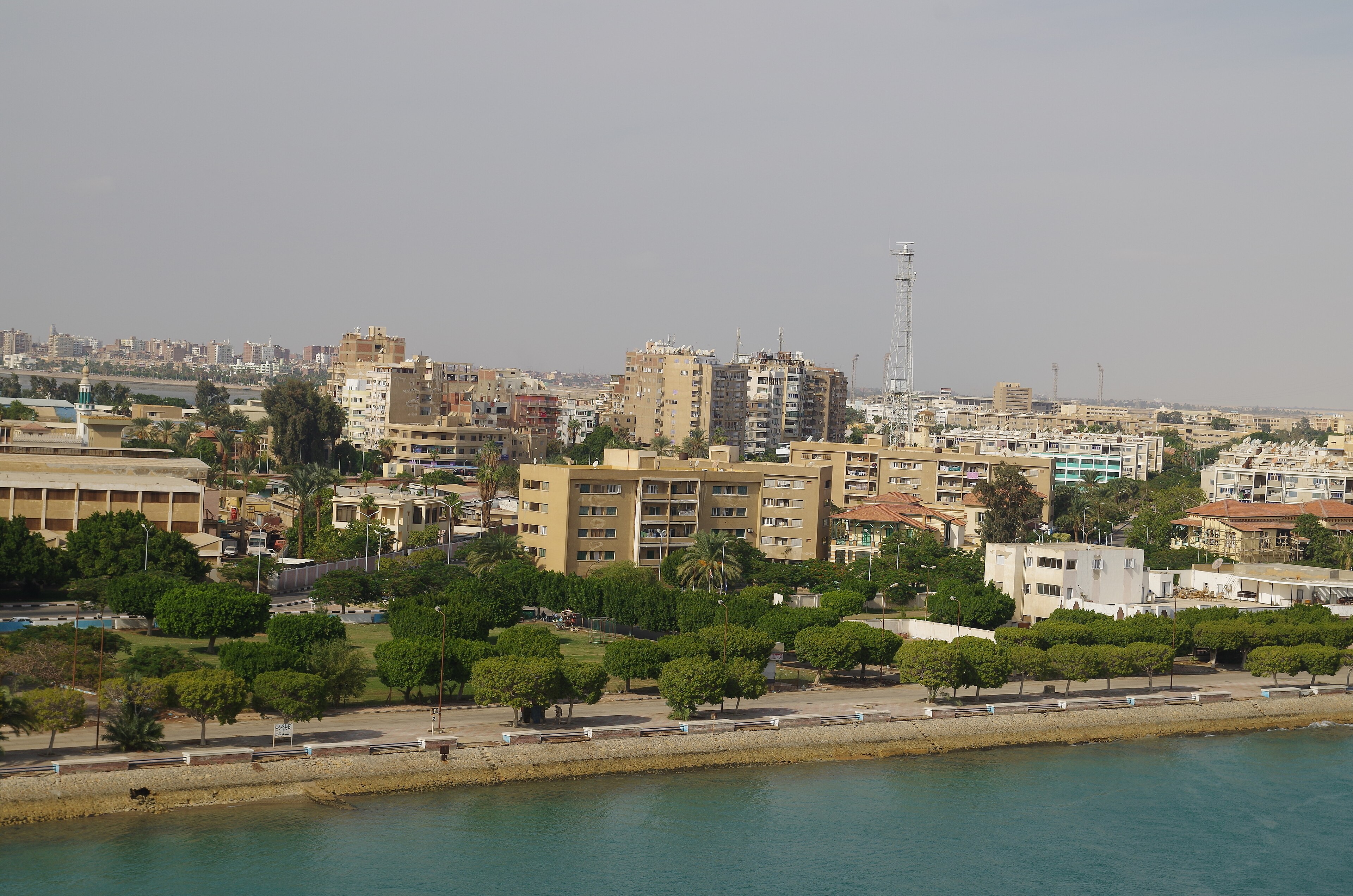
On August 3, 2026, a magnitude 5.0 earthquake occurred 36 km north-northeast of Suez, Egypt. The event was localized and brief, with no significant population impact reported in the surrounding area. Authorities responded promptly, ensuring public safety and monitoring for any potential aftershocks in the region.
The submarine cable infrastructure in the vicinity demonstrated strong resilience during and after the seismic activity. Key systems such as FALCON and FEA, which both land at Suez, Egypt, maintained their operational integrity, with average latencies holding steady at approximately 148ms and 161ms, respectively. Additionally, the 2Africa cable, landing at Port Said, Egypt, 112 km from the event, continued to perform reliably with an average latency of 377ms. These systems, which connect critical regions across Europe, Africa, and Asia, successfully carried traffic without interruption.
Monitoring of these and other submarine cable systems remains active and ongoing, with 2577 latency checks conducted across 705 systems in the last 24 hours alone. This continuous oversight ensures that any potential impacts to these vital communication corridors are promptly identified and addressed.