Network Pulse
Every natural event our monitoring has flagged near a submarine cable - newest first. Each entry shows what happened and whether our latency measurements detected any impact.
M5.5 earthquake · 12 km WSW of Balangonan, Philippines
On June 8, 2026, a magnitude 5.5 earthquake struck approximately 12 km southwest of Balangonan, Philippines. Our network monitoring has identified two latency anomalies and one active alert on our submarine cable systems.
The earthquakes affected several cables with landing points within 350 kilometers of the epicenter. Specifically, the Apricot, Asia Connect Cable-1 (ACC-1), Bifrost, and SEA-US cables, all landing at Davao, Philippines, have shown latency increases: average delays of approximately 143ms, 169ms, 201ms, and 195ms respectively over the past week. The Palapa Ring Middle cable, which lands in Tahuna, Indonesia, is not currently being actively monitored for this event. Similarly, the PLDT Domestic Fiber Optic Network (DFON) and Converge Domestic Submarine Cable Network (CDSCN), both landing at Cagayan de Oro, Philippines, as well as the Philippine Domestic Submarine Cable Network (PDSCN), are also not being actively measured.
M7.8 earthquake · 26 km SW of Kablalan, Philippines
On June 8, 2026, a M7.8 earthquake struck approximately 26 km southwest of Kablalan, Philippines. Our monitoring currently indicates no active alerts on our network but has identified two latency anomalies.
The affected region includes submarine cables with landing points within 350km of the epicenter: Apricot, ACC-1, Bifrost, and SEA-US. Latency measurements show that these cables experienced average delays of around 147ms to 201ms over a period of seven days. No active damage has been reported or detected on any of these cables at this time.
M5.2 earthquake · 7 km W of Prokópi, Greece

On June 7, 2026, a M5.2 earthquake struck approximately 7 km west of Prokópi, Greece. Our monitoring currently indicates no active alerts on the network but has identified one latency anomaly.
The affected region includes several submarine cables with landing points within 350km of the earthquake's epicenter. Specifically, the EMC West-1 cable, which lands in Athens, Greece, shows an average latency increase of approximately 123ms over a seven-day period, based on 138 measurements. Other cables such as MedNautilus Submarine System and Medusa Submarine Cable System also show increased latencies, with averages of 142ms and 143ms respectively, though they are not actively measured for continuous monitoring. No damage or significant issues have been reported beyond these latency changes.
M4.7 earthquake · 44 km ENE of Noda, Japan

The submarine cable network remains stable with 1813 latency checks conducted over the past 24 hours revealing no anomalies and zero active alerts. This indicates that the network is performing within expected parameters.
A recent seismic event on June 6, 2026, near Noda, Japan (M4.7 earthquake, 44 km ENE of Noda), involved several cables with landing points within a 350km radius. Despite this proximity, our ongoing monitoring shows that the affected cables are operating normally and there has been no impact on network performance as indicated by our latency measurements.
M4.6 earthquake · 200 km SSE of Tateyama, Japan
The submarine cable network remains stable with 1810 latency checks conducted over the past 24 hours revealing no anomalies and zero active alerts. This indicates a robust and reliable network performance across all monitored cables.
A recent seismic event on June 6, 2026, near Tateyama, Japan (M4.6 earthquake), did not affect any of our submarine cables within the specified range. The cables with landing points in the vicinity are operating normally, and our latency measurements show no impact from this event.
M4.9 earthquake · 47 km WSW of Magdalena, Philippines
The submarine cable network remains stable with no anomalies detected over the past 24 hours. Our comprehensive monitoring system conducted 1785 latency checks across 646 cables and found zero issues, ensuring uninterrupted connectivity.
On June 6, 2026, a M4.9 earthquake occurred near Magdalena, Philippines, within range of several submarine cable landing points. Despite this seismic event, all relevant cables are operating normally, with our latency measurements showing no impact on network performance or service quality.
M4.5 earthquake · 30 km NNE of Nasinu, Fiji
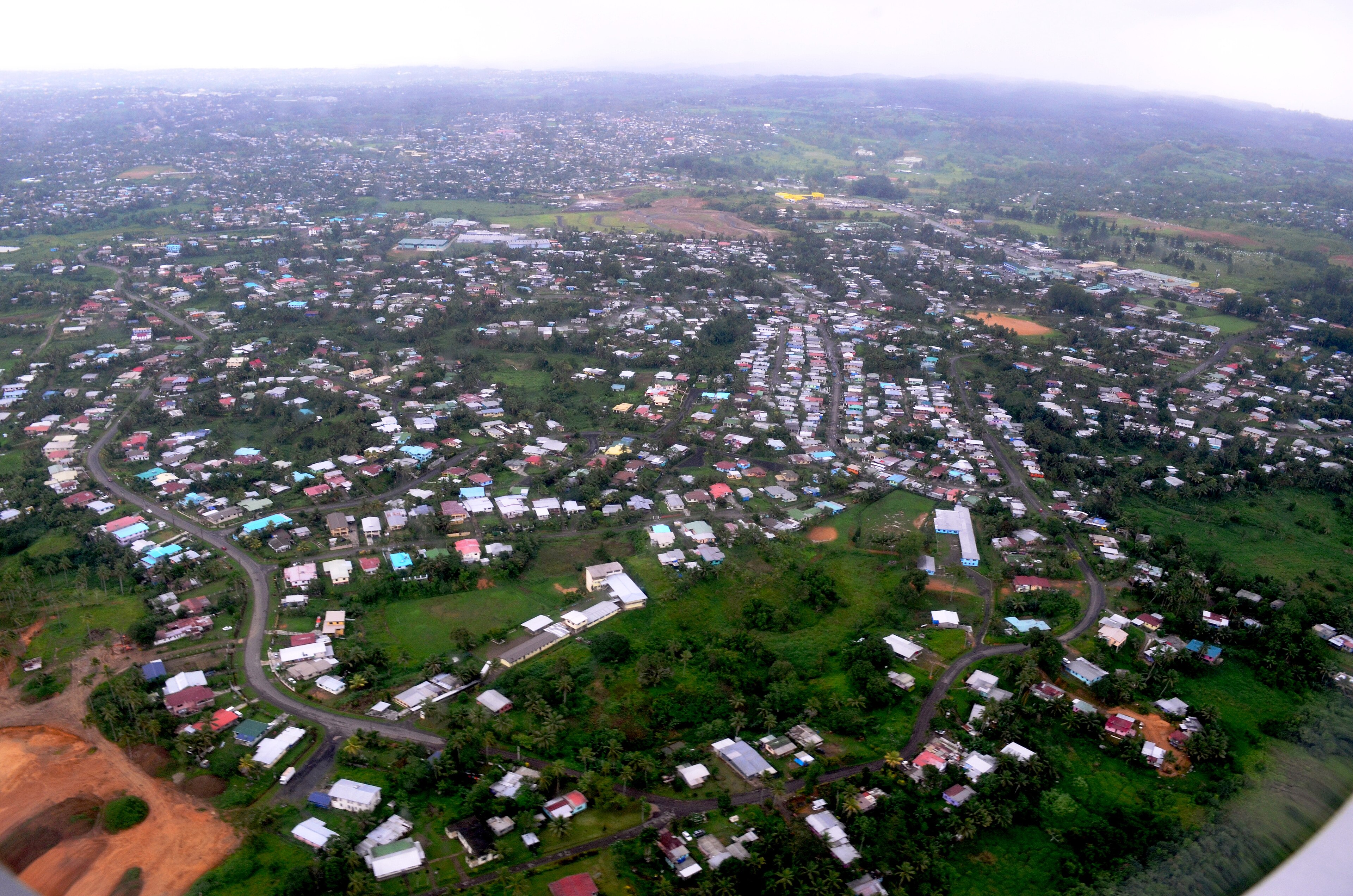
A magnitude 4.5 earthquake struck approximately 30 km north-northeast of Nasinu, Fiji, on June 6, 2026.
Our monitoring indicates that five submarine cables with landing points within 350 km of the epicenter are being monitored for potential impacts: SCCN (measuring an average latency of ~169 ms with 5 checks per week), Southern Cross NEXT (with an average latency of ~163 ms and 11 checks per week). The other cables in the vicinity - APX East, Bulikula, Gondwana-2/Picot-2, Interchange Cable Network 1 (ICN1), Tabua, and Tonga Cable - are not currently being actively measured. As of now, there are no active alerts on our network, but latency anomalies have been detected for SCCN and Southern Cross NEXT.
M5.3 earthquake · 7 km NNW of Manito, Philippines

On June 5, 2026, a M5.3 earthquake occurred 7 km NNW of Manito, Philippines. The event is located approximately 13 to 95 kilometers from several submarine cable landing points in the region.
- The PLDT Domestic Fiber Optic Network (DFON), Philippine Domestic Submarine Cable Network (PDSCN), Sorsogon-Samar Submarine Fiber Optical Interconnection Project (SSSFOIP), and Submarine Cable in the Philippines (SCiP) have landing points within 350 kilometers of the earthquake. However, these cables are not actively measured by our system.
- The Converge Domestic Submarine Cable Network (CDSCN), ASE/Cahaya Malaysia, and JUPITER cables are also within this distance. Our latency measurements show that the ASE/Cahaya Malaysia cable has experienced an average latency of 75 milliseconds over seven days with 17 checks, while the JUPITER cable shows an average latency of 240 milliseconds over seven days with six checks.
M5.2 earthquake · 77 km S of Gorontalo, Indonesia

On June 5, 2026, a M5.2 earthquake struck approximately 77 km south of Gorontalo, Indonesia. This event is located in an area where several submarine cable systems have landing points within a 350km radius.
The affected cables include the Barat Timur Indonesia-2 (BTI-2), Indonesia Tengah Cable Systems, Luwuk Tutuyan Cable System, and Palapa Ring Middle, all of which land at Luwuk, Indonesia. Additionally, the Asia Connect Cable-1 (ACC-1) and Bifrost cables, both landing in Manado, Indonesia, are also within this radius. Our monitoring currently shows 1 latency anomaly on ACC-1 with an average latency increase of approximately 155 milliseconds over the past week, while no active alerts have been reported for any other cables in the region.
M4.9 earthquake · 70 km SW of Modisi, Indonesia

The submarine cable network remains stable with no anomalies detected over the past 24 hours from 4157 latency checks across 650 cables. The network is performing optimally and all critical systems are functioning without issue.
On June 4, 2026, a M4.9 earthquake occurred 70 km southwest of Modisi, Indonesia. While several cables with landing points within 350km of the epicenter were affected, our latency measurements indicate that they continue to operate normally and show no impact from the seismic event. The network is robust and continues to provide reliable service.
M4.5 earthquake · 88 km W of Manokwari, Indonesia

The network remains stable with 4226 latency checks conducted over the last 24 hours across 650 submarine cables, detecting no anomalies or active alerts. This indicates a consistent and reliable global connection.
A recent seismic event on June 4, 2026, near Manokwari, Indonesia (M4.5 earthquake, 88 km west), did not impact the submarine cables in the vicinity. The Palapa Ring East cable, which has a landing point within 350km of the event, is operating normally as indicated by our latency measurements, showing no changes from baseline performance.
M4.9 earthquake · 58 km NNE of Labuan Bajo, Indonesia
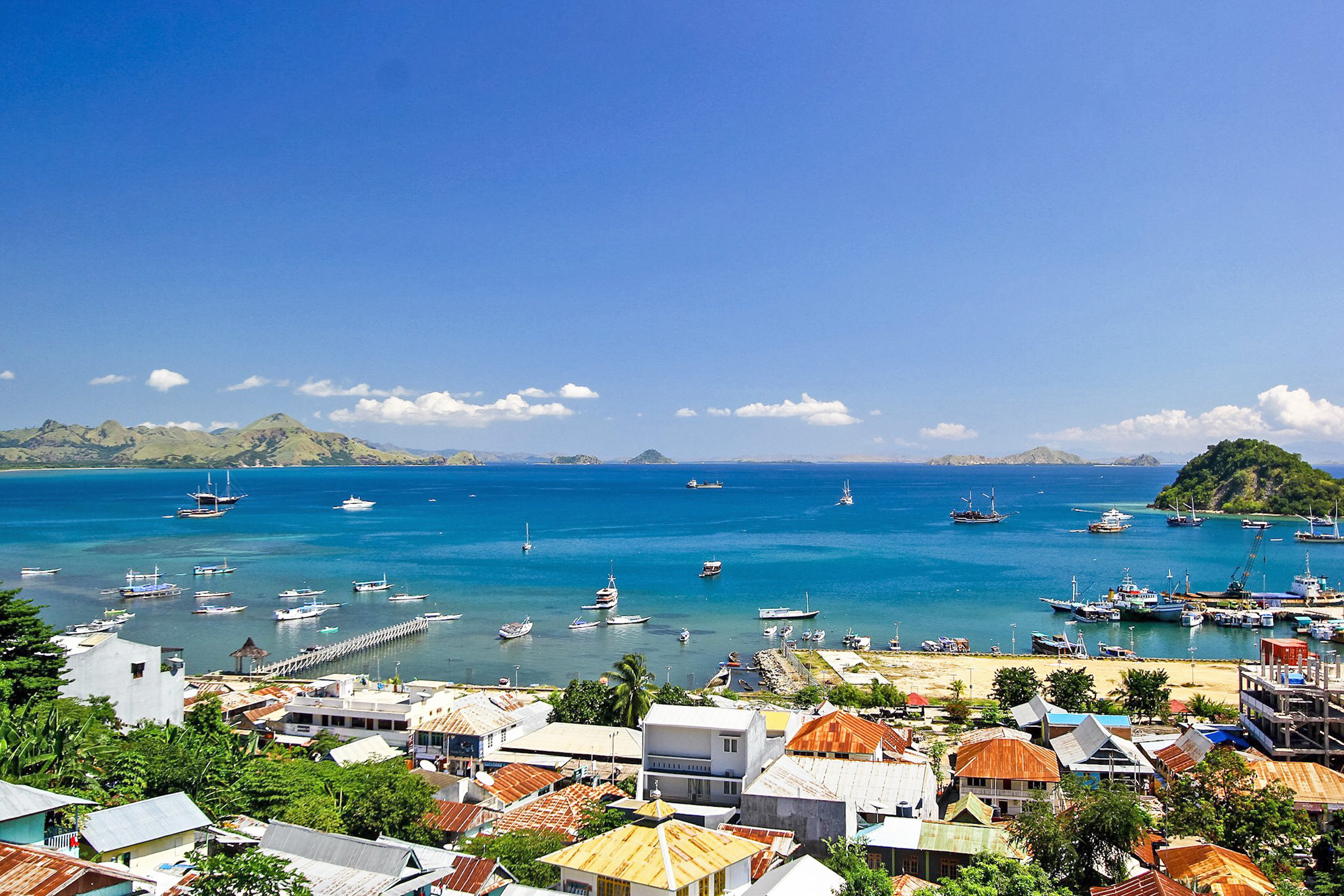
On June 3, 2026, a magnitude 4.9 earthquake struck approximately 58 km NNE of Labuan Bajo, Indonesia.
The affected region includes several submarine cables with landing points within 350km: the Sape-Labuan Bajo-Ende-Kupang cable (landing at Labuan Bajo, 56km from the epicenter), the Indonesia Tengah Cable Systems (Labuhan Bajo, 59km away), and the Denpasar-Waingapu Cable Systems as well as Palapa Ring East (both landing at Waingapu, 179km distant). Our monitoring currently shows 1 latency anomaly on the network, but no active alerts. These cables are not actively measured from our current vantage point, and there is no indication of damage beyond the observed latency issues.