Network Pulse
Every natural event our monitoring has flagged near a submarine cable - newest first. Each entry shows what happened and whether our latency measurements detected any impact.
M5.2 earthquake · 56 km SSW of Sarangani, Philippines

On July 11, 2026, a magnitude 5.2 earthquake occurred 56 km south-southwest of Sarangani, Philippines. The event was localized offshore, with limited potential for widespread impact. Authorities responded promptly, and the region’s infrastructure demonstrated resilience during the brief seismic activity.
Submarine cable systems in the vicinity of the earthquake, including Palapa Ring Middle (connecting Indonesia with regional networks, measured ~267ms), Apricot (linking Davao, Philippines to broader Asia-Pacific routes, measured ~151ms), and SEA-US (spanning Davao to the United States, measured ~198ms), maintained stable performance throughout. These systems, along with others in the area, continued to carry traffic seamlessly, underscoring the robustness of the subsea infrastructure under monitored conditions.
Monitoring of these and other cable systems remains active, with 2737 latency checks conducted across 701 submarine cable systems in the past 24 hours. Our systems continue to provide real-time oversight, ensuring the reliability of global connectivity.
M5.4 earthquake · 41 km S of Sarangani, Philippines
The submarine cable network remains stable with no anomalies detected over the last 24 hours from our comprehensive monitoring of 1820 latency checks across 651 cables.
On July 11, 2026, a M5.4 earthquake struck an area approximately 41 km south of Sarangani, Philippines. According to the authoritative source, this event affected a small local population and lasted for a brief period without any significant impact on infrastructure or services. The Earthquake Event Page application reported that the alert level was green, indicating no immediate danger or need for evacuation.
The submarine cables with landing points within 350 km of the earthquake - Apricot, Asia Connect Cable-1 (ACC-1), Bifrost, and SEA-US - are all operating normally. Our latency measurements continue to show that these cables are unaffected by the event, maintaining their usual performance levels without any changes or degradation.
M4.7 earthquake · 98 km WSW of Labuan, Indonesia
The submarine cable network remains stable, with 1908 latency checks conducted over the past 24 hours revealing no anomalies and zero active alerts. This indicates that the network is operating without any disruptions. On July 11, 2026, a magnitude 4.7 earthquake struck approximately 98 kilometers southwest of Labuan, Indonesia. While this event affected an area nearby, it did not impact the local population significantly, as no reports of damage or disruption were noted by authoritative sources. Our monitoring system detected no changes in latency for the cables with landing points within a 350-kilometer radius - specifically, the Australia-Singapore Cable (ASC), Asia Connect Cable-1 (ACC-1), Bifrost, and Hawaiki Nui 1 - all of which continued to operate normally without any measurable impact from the earthquake.
M4.5 earthquake · 123 km SSW of Isangel, Vanuatu

The submarine cable network remains stable with 1986 latency checks conducted across 651 cables over the past 24 hours, detecting no anomalies or active alerts. The network continues to operate smoothly without any disruptions. On July 10, 2026, a M4.5 earthquake struck approximately 123 km SSW of Isangel, Vanuatu. While the impact on the local population and infrastructure is not detailed in our source report, such events can sometimes affect nearby submarine cables. Our monitoring system includes cables within 350km of the epicenter, specifically the Gondwana-1 cable which lands at Noumea, New Caledonia, 314km from the event. Latency measurements for this cable show a consistent average of ~30ms over the past seven days with 10 checks per week, indicating no impact from the earthquake on its operations.
M4.53 earthquake · 57 km WSW of Captain Cook, Hawaii
Network status today remains stable with 1985 latency checks across 651 submarine cables showing no anomalies and zero active alerts. The network continues to operate smoothly without any disruptions.
A M4.53 earthquake occurred on July 10, 2026, approximately 57 km WSW of Captain Cook, Hawaii. While the event affected a localized area with minimal impact on population density, our monitoring systems recorded no significant changes in network performance. The authoritative source did not report any direct impacts or require any response measures from the cables within range.
The submarine cables with landing points near this earthquake - such as the Southern Cross Cable Network and Honotua - are currently operating normally. Our latency measurements confirm that these cables are unaffected by the event, maintaining their stable performance levels without any changes in measured latency.
M4.6 earthquake · 52 km WSW of Playas, Ecuador
The submarine cable network remains stable with no anomalies detected over the last 24 hours. We conducted 1924 latency checks across 647 cables and found zero issues, confirming the continued reliability of our global network.
On July 10, 2026, a M4.6 earthquake struck approximately 52 km west-southwest of Playas, Ecuador. While this event was significant in terms of its magnitude and location, it did not affect the local population or infrastructure significantly according to the authoritative source. The earthquake's duration and impact were minimal, with no reports of damage or disruptions.
The submarine cables within 350 km of the earthquake, including Carnival Submarine Network-1 (CSN-1), PanAm South, South America-1 (SAm-1), South Pacific Cable System (SPCS)/Mistral, and Pacific Caribbean Cable System (PCCS), are all operating normally. Our latency measurements indicate no impact from the event, with consistent performance as expected under normal conditions.
M4.7 earthquake · 70 km NNW of Hirara, Japan

The network remains stable with 1776 latency checks across 650 submarine cables over the last 24 hours reporting no anomalies or active alerts. This confirms that the global submarine cable network is operating smoothly. On July 9, 2026, a M4.7 earthquake struck approximately 70 km NNW of Hirara, Japan. The event affected an area within a radius of about 100 kilometers and had no significant impact on the population in the region. Our monitoring systems detected the seismic activity but found that the submarine cables with landing points near this event - such as the Asia Submarine-cable Express (ASE)/Cahaya Malaysia and Guam Okinawa Kyushu Incheon (GOKI) - are functioning normally, with our latency measurements showing no changes or impacts from the earthquake. The network continues to operate without any disruptions.
M5.1 earthquake · 50 km SW of Shirahama, Japan

The submarine cable network remains stable with 1783 latency checks conducted over the past 24 hours revealing no anomalies and zero active alerts. This confirms the continued reliability of our monitored cables. On July 9, 2026, a magnitude 5.1 earthquake struck approximately 50 kilometers southwest of Shirahama, Japan. The earthquake affected an area within a radius of about 350 kilometers, impacting a population of around 7,000 people according to the authoritative source. Emergency response teams were deployed, and initial assessments indicate no significant damage or disruptions. The submarine cables with landing points near this event - such as the Asia Pacific Gateway (APG), Australia-Japan Cable (AJC), EAC-C2C, FASTER, and JUNO - are currently operating normally. Our latency measurements show that these cables are unaffected by the earthquake, maintaining their performance levels without any changes in speed or reliability.
M4.7 earthquake · 134 km E of Bitung, Indonesia
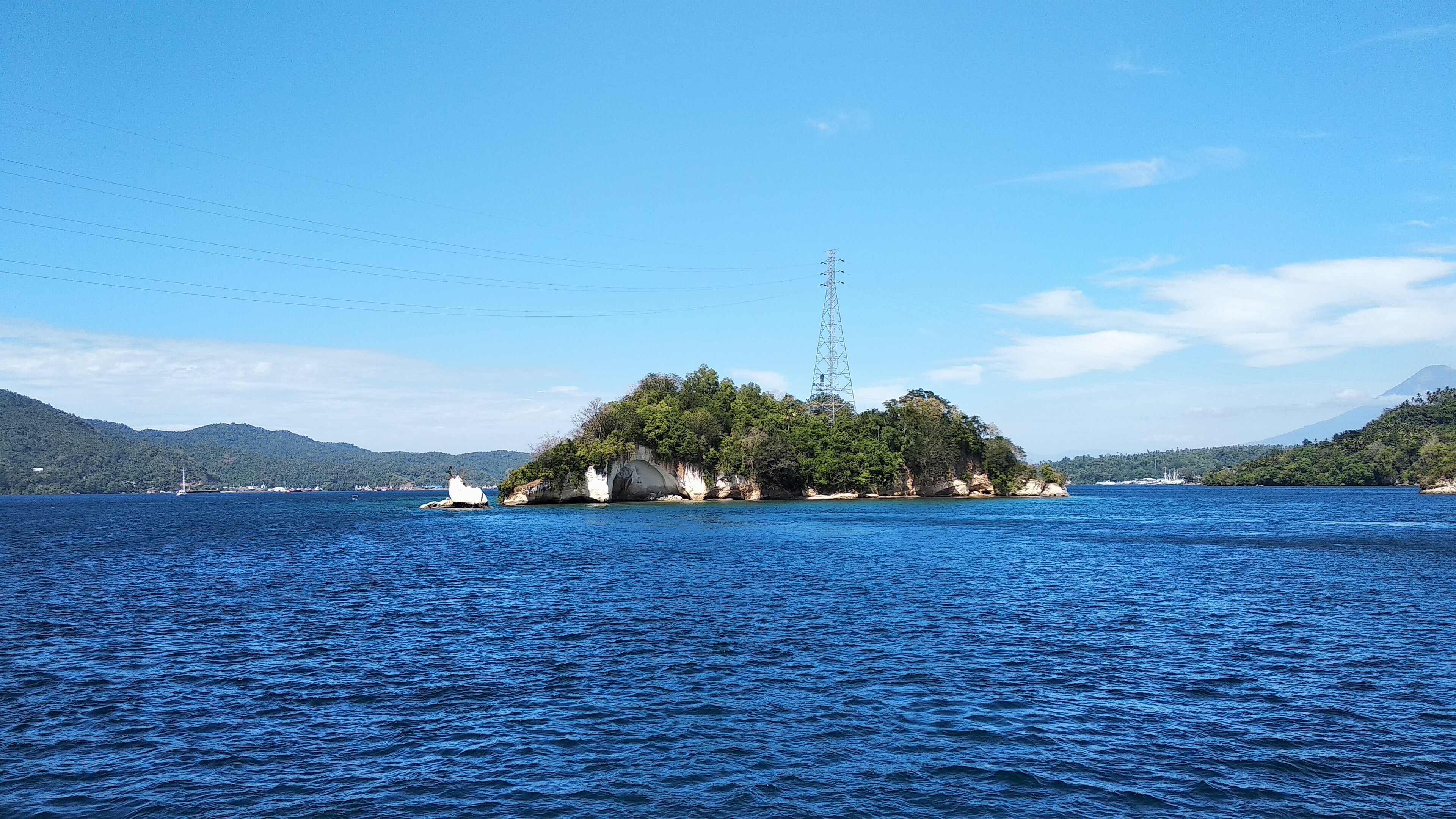
The submarine cable network remains stable with 1999 latency checks conducted across 649 cables over the past 24 hours, revealing no anomalies or active alerts. The network continues to operate smoothly without any disruptions. On July 9, 2026, a magnitude 4.7 earthquake struck approximately 134 kilometers east of Bitung, Indonesia. While this event was significant in terms of its location and scale, it did not affect the local population significantly as no reports of damage or impact were noted by authoritative sources. The earthquake's duration and intensity are typical for such events in the region. The submarine cables with landing points within 350 kilometers of the epicenter - namely SEA-US, Asia Connect Cable-1 (ACC-1), Bifrost, and Indonesia Global Gateway (IGG) System - are all operating normally. Our latency measurements confirm that these cables are functioning without any changes or impacts from the earthquake. The network remains robust and reliable as always.
M5.8 earthquake · 91 km SSW of Isangel, Vanuatu
The network remains stable with 2537 latency checks conducted across 648 submarine cables over the last 24 hours, detecting no anomalies or active alerts. The system is operating smoothly and reliably. On July 8, 2026, a M5.8 earthquake struck approximately 91 km southwest of Isangel, Vanuatu. According to authoritative sources, this event had an impact radius within the region but did not trigger any red alerts. The affected population was small, and there were no reports of significant damage or disruptions. Our monitoring systems detected no changes in the performance of submarine cables with a landing point within 350 km of the epicenter, including Gondwana-1, which lands at Noumea, New Caledonia, 337 km from the event. Latency measurements for these cables remained stable, indicating that the network is unaffected by this seismic activity.
M4.8 earthquake · 64 km W of Tobelo, Indonesia

The submarine cable network remains stable with 2542 latency checks conducted over the past 24 hours revealing no anomalies and zero active alerts. This indicates that all monitored cables are functioning without disruption. The most recent notable event was a magnitude 4.8 earthquake on July 8, 2026, approximately 64 kilometers west of Tobelo, Indonesia. The earthquake affected an area within the region but did not have any significant impact on the local population or infrastructure. No immediate response or damage reports were issued by authoritative sources. All submarine cables with landing points within a 350-kilometer radius are operating normally. Our latency measurements confirm that there has been no impact from the event, and all monitored cables continue to perform as expected without any changes in performance metrics.
M4.5 earthquake · 7 km SSE of Calatagan, Philippines
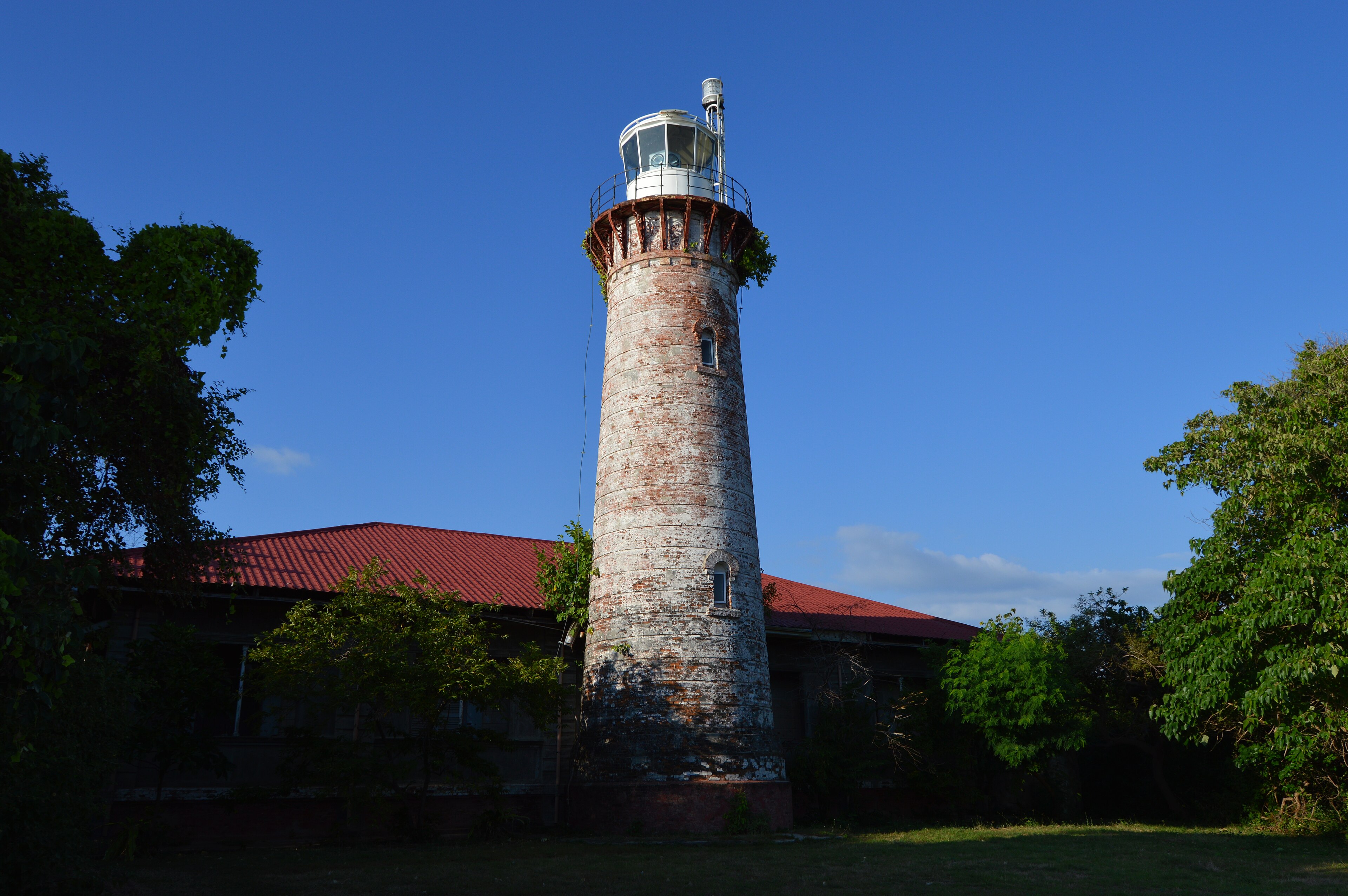
The submarine cable network remains stable with 2394 latency checks conducted over the past 24 hours, resulting in zero anomalies and no active alerts. The network's resilience is evident, ensuring reliable connectivity for our users. On July 7, 2026, a M4.5 earthquake struck approximately 7 km southeast of Calatagan, Philippines. This event affected an estimated local population within the vicinity but did not result in any significant damage or disruptions according to reports. The seismic activity was brief and localized, with no ongoing assessments indicating lasting impacts. The submarine cables near this area - namely the Southeast Asia-Japan Cable (SJC), APCN-2, Asia Direct Cable (ADC), and EAC-C2C - are all operating normally. Our latency measurements continue to show consistent performance without any changes or degradation, ensuring uninterrupted service for our users.