Network Pulse
Every natural event our monitoring has flagged near a submarine cable - newest first. Each entry shows what happened and whether our latency measurements detected any impact.
M4.5 earthquake · 20 km SE of Nyūzen, Japan
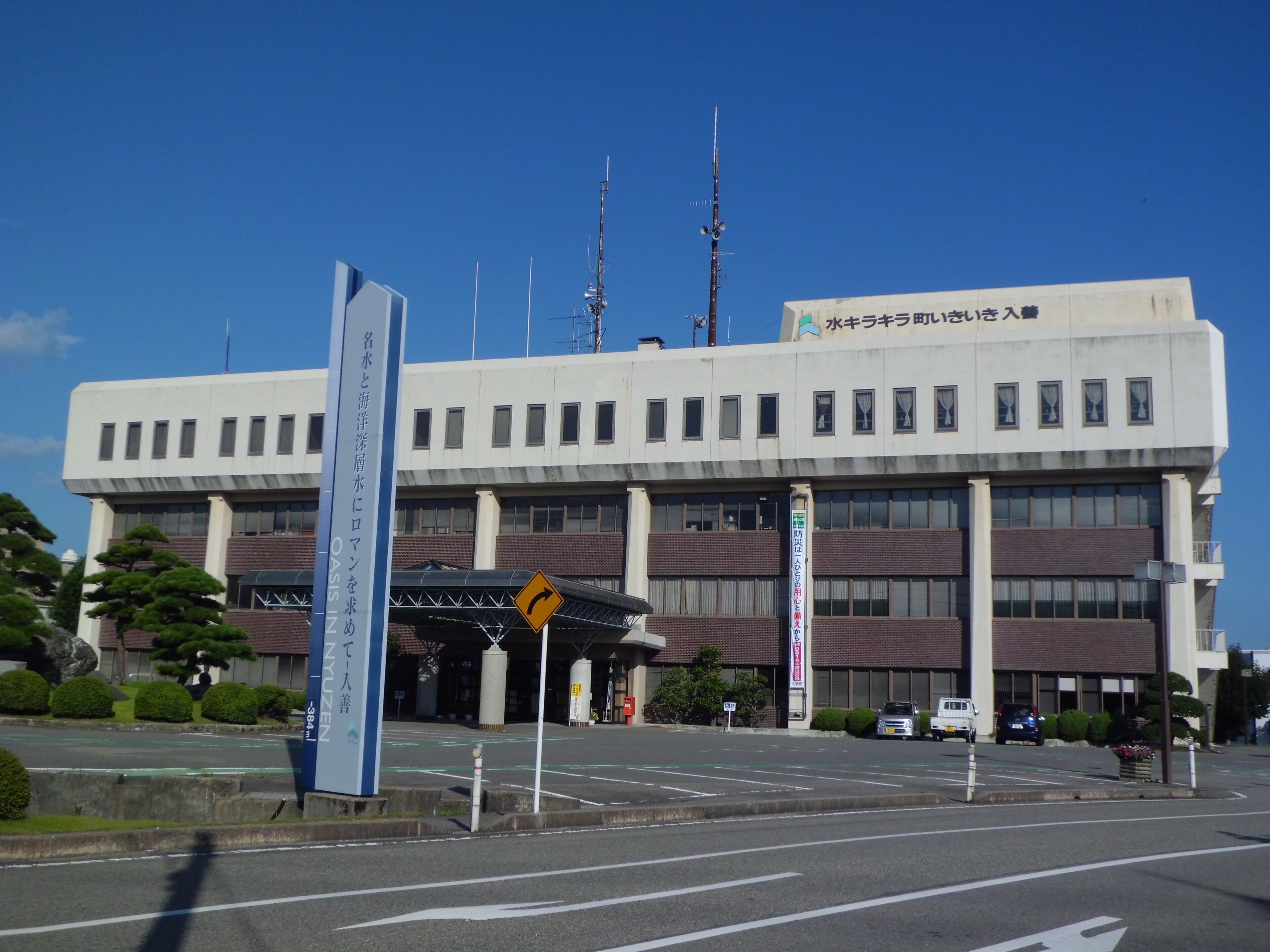
The submarine cable network remains stable with no anomalies detected over the past 24 hours. Our comprehensive monitoring system conducted 2079 latency checks across 649 cables and flagged zero issues, ensuring reliable connectivity.
A recent seismic event on June 19, 2026, near Nyūzen, Japan, did not affect our monitored cables within a 350km radius. Tata TGN-Pacific, FLAG Europe-Asia (FEA), and EAC-C2C are all operating normally as indicated by our latency measurements, which show no impact from the earthquake.
M6.6 earthquake · 133 km ESE of Petropavlovsk-Kamchatsky, Russia
On June 19, 2026, a M6.6 earthquake occurred approximately 133 km ESE of Petropavlovsk-Kamchatsky, Russia.
No submarine cables with landing points within 350km of the epicenter are currently monitored by our network. Our latency measurements show no anomalies and one active alert on the network as a result of this event. The impact to the submarine cable network in this region is not measured or reported by us, and we have no information indicating any specific damage to cables.
M5.3 earthquake · 63 km ESE of Bobon, Philippines

On June 18, 2026, a M5.3 earthquake occurred approximately 63 km southeast of Bobon, Philippines. Our monitoring currently indicates no latency anomalies but has identified one active alert on the network.
The earthquake is within proximity to several submarine cables with landing points in the region. Specifically, the following cables are affected: Apricot (Davao, Philippines), Asia Connect Cable-1 (ACC-1) (Davao, Philippines), Bifrost (Davao, Philippines), and SEA-US (Davao, Philippines). Our latency measurements show average delays of approximately 199ms to 225ms for these cables. Additionally, the Palapa Ring Middle cable (Melonguane, Indonesia) and two domestic networks - PLDT Domestic Fiber Optic Network and Submarine Cable in the Philippines (both landing at Butuan City, Philippines) - are also within a radius of 300km from the event, with average delays around 256ms to 261ms. The Converge Domestic Submarine Cable Network is located further away but still within our monitored range.
M5.3 earthquake · 1 km S of Kablalan, Philippines

The submarine cable network remains stable with no anomalies detected over the past 24 hours, based on 1802 latency checks across 645 monitored cables. The network continues to operate smoothly without any active alerts or issues. On June 18, 2026, a M5.3 earthquake occurred near Kablalan, Philippines, within range of several of our monitored cables. However, our latency measurements indicate that all affected cables are operating normally and show no impact from the seismic event.
M4.8 earthquake · 64 km ESE of Bobon, Philippines

On June 18, 2026, a magnitude 4.8 earthquake struck approximately 64 km ESE of Bobon, Philippines. Our monitoring currently indicates no active alerts on the network, but there are 1 latency anomaly observed.
The affected submarine cables within or near the 350km radius include Apricot, Asia Connect Cable-1 (ACC-1), Bifrost, and SEA-US, all landing at Davao, Philippines. Latency measurements for these cables show an average increase of approximately 188 to 226 milliseconds with a check frequency of 32 to 105 per week. Additionally, the Palapa Ring Middle, PLDT Domestic Fiber Optic Network (DFON), Submarine Cable in the Philippines (SCiP), and Converge Domestic Submarine Cable Network (CDSCN) cables, which land at Butuan City and Buenavista, respectively, also exhibit latency increases of around 256 to 261 milliseconds. These measurements are based on our ongoing monitoring over the past week.
M4.55 earthquake · 17 km SE of Pāhala, Hawaii

On June 17, 2026, a magnitude 4.55 earthquake occurred approximately 17 km southeast of Pāhala, Hawaii.
The Southern Cross Cable Network (SCCN) and Honotua cables are within the affected region, with landing points at Spencer Beach, HI, and Kawaihae, HI, respectively. Our latency measurements indicate that the SCCN experienced an average latency increase of about 206 ms over seven days, while the Honotua cable showed a measured average latency of approximately 177 ms over the same period, with monitoring conducted twice per week.
M4.5 earthquake · 10 km NNE of Luklukan, Philippines

A magnitude 4.5 earthquake occurred on June 17, 2026, approximately 10 km north-northeast of Luklukan, Philippines.
Our monitoring indicates that several submarine cables are within a 350km radius of the event. Latency anomalies were detected for the Asia Submarine-cable Express (ASE)/Cahaya Malaysia and JUPITER cables, which land at Daet, Philippines, approximately 38km from the epicenter. The ASE/CAHAYA Malaysia cable showed an average latency increase of about 89ms with 7-day checks every day, while JUPITER experienced a higher increase to around 229ms. Other cables in the vicinity, including Converge Domestic Submarine Cable Network (CDSCN), Philippine Domestic Submarine Cable Network (PDSCN), National Digital Transmission Network (NDTN), PLDT Domestic Fiber Optic Network (DFON), APCN-2, and Asia Direct Cable (ADC), which land at Batangas, Philippines, also showed average latency increases ranging from 138ms to 261ms over the same period. No active alerts were triggered by these events.
M5.1 earthquake · 25 km SSE of Tambolaka, Indonesia

On June 17, 2026, a M5.1 earthquake struck approximately 25 km southeast of Tambolaka, Indonesia. Our monitoring currently shows no active alerts on our network but reports 1 latency anomaly.
The Palapa Ring East submarine cable, which lands at Waingapu, Indonesia (98km from the epicenter), is within the affected region. Our measurements indicate an average latency of approximately 263ms with 76 checks over seven days. As of now, there are no indications of damage or significant issues affecting this cable.
M4.8 earthquake · 55 km WNW of Poso, Indonesia
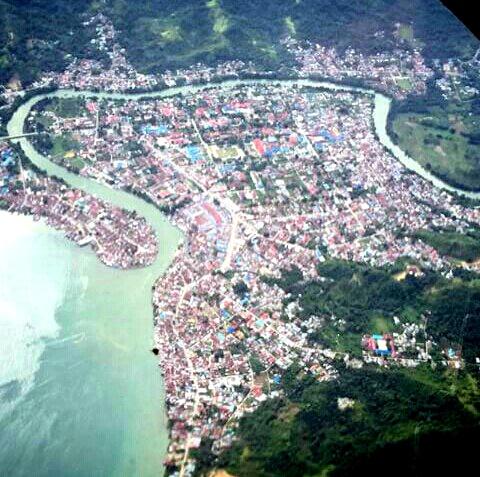
On June 16, 2026, a magnitude 4.8 earthquake struck approximately 55 km WNW of Poso, Indonesia.
We are monitoring two latency anomalies on our network: Barat Timur Indonesia-2 (BTI-2) and Palapa Ring Middle, both landing at Luwuk, Indonesia, which is about 274 km from the epicenter. Our measurements indicate an average latency of approximately 259 ms for BTI-2 with 9 checks over 7 days, and 256 ms for Palapa Ring Middle with 6 checks over 7 days. At this time, there are no active alerts on our network related to these cables.
M5.5 earthquake · 4 km NW of Noda, Japan

A magnitude 5.5 earthquake struck approximately 4 km northwest of Noda, Japan on June 16, 2026. The event is located relatively close to several submarine cable landing points in the region.
- The Japan Information Highway (JIH), which lands at Ibaraki, Japan (56km from the epicenter), and the EAC-C2C, Pacific Crossing-1 (PC-1), FLAG Europe-Asia (FEA), and Tata TGN-Pacific cables, which all land at Ajigaura, Japan (83km from the epicenter), are within 350km of the earthquake. Our latency measurements indicate that these cables may be experiencing minor disruptions; EAC-C2C shows an average latency increase of ~187ms with 29 checks over seven days, while PC-1 has a slight increase to ~133ms with only four checks per week.
- The Hachijojima-Mainland cable, which also lands at Miura, Japan (95km from the epicenter), and the Asia United Gateway East (AUG East), and FLAG North Asia Loop/REACH North Asia Loop cables, both landing at Wada, Japan (106km from the epicenter), are not actively measured but could potentially be affected. As of now, our monitoring does not show any active alerts or significant latency changes for these cables.
No damage has been reported beyond the observed latency anomalies, and we continue to monitor the situation closely.
M6.7 earthquake · 43 km ESE of Palu, Indonesia

A magnitude 6.7 earthquake struck on June 16, 2026, approximately 43 km east-southeast of Palu, Indonesia.
Our monitoring indicates that four submarine cables with landing points within a 350km radius of the event are being observed: Barat Timur Indonesia-2 (BTI-2) and Palapa Ring Middle. Latency measurements show an average increase of about 259ms for BTI-2, with seven daily checks over the past week. For Palapa Ring Middle, the latency increased by approximately 257ms, based on three daily checks. The other affected cables - Link 2 Phase-1, JaKa2LaDeMa, Indonesia Tengah Cable Systems, and Luwuk Tutuyan Cable System - are not actively measured at this time.
M4.9 earthquake · 11 km W of Balangonan, Philippines

On June 15, 2026, a magnitude 4.9 earthquake struck approximately 11 km west of Balangonan, Philippines. Our monitoring currently shows no active alerts on the network but has identified one latency anomaly.
The affected region includes several submarine cables with landing points within 350km of the event. Latency measurements indicate that the Apricot, Asia Connect Cable-1 (ACC-1), Bifrost, and SEA-US cables, all landing at Davao, Philippines, have experienced average latency increases ranging from 177ms to 226ms over a period of seven days. Additionally, the Palapa Ring Middle cable, which lands in Tahuna, Indonesia, about 221km away, shows an increase of approximately 257ms. The PLDT Domestic Fiber Optic Network and Converge Domestic Submarine Cable Network, both landing at Cagayan de Oro, Philippines, have recorded latency increases around 257ms to 261ms, while the Philippine Domestic Submarine Cable Network shows a similar increase of about 260ms. These measurements reflect potential impacts from seismic activity but do not indicate any known cable damage.