Whanganui, New Zealand
Landing Point · NZ New Zealand
Connected Cables
| Cable | Status |
|---|---|
| Aqualink | Active |
Live Performance
RTT measurements to this landing point from 2026-03-10 through 2026-08-01 - live ICMP round-trip time via our monitoring probes. Recomputed daily. ✓ No anomalies detected in the monitored period.
Measurement sources
| Probe | Location | Samples | Avg |
|---|---|---|---|
| #1014473 own probe | Minsk BY | 8 | 321.3 ms |
| #1014589 own probe | Almaty KZ | 5 | 371.7 ms |
| #1014597 own probe | Tbilisi GE | 5 | 338.8 ms |
| #1014969 own probe | Jerusalem IL | 4 | 369.3 ms |
| #1015523 own probe | Moscow RU | 4 | 325.4 ms |
| #6427 own probe | Sydney AU | 3 | 42.4 ms |
| #6487 own probe | Singapore SG | 3 | 131.2 ms |
| #7062 own probe | Cape Town ZA | 3 | 376.9 ms |
| #1015932 own probe | Odessa UA | 3 | 322.3 ms |
| #1015313 own probe | Sevastopol UA | 2 | 347.5 ms |
| #1015563 own probe | Saint Petersburg RU | 2 | 325.6 ms |
About Whanganui, New Zealand
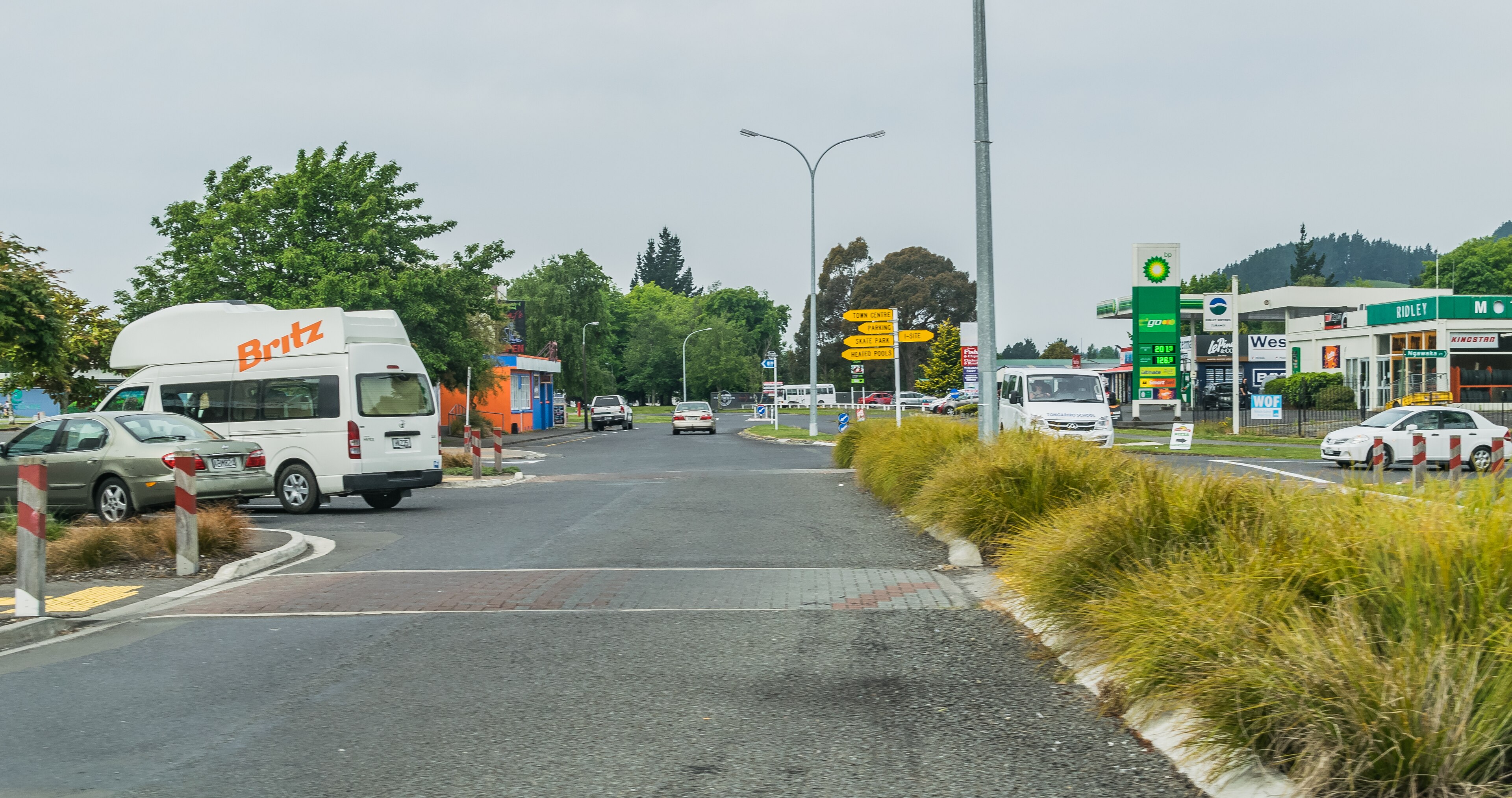
How the Internet Reaches Whanganui
Whanganui is a city on the west coast of New Zealand's North Island, situated at the mouth of the Whanganui River in the Manawatū-Whanganui region. Unlike many locations where international submarine cables land directly from overseas, Whanganui's submarine cable connection is domestic in nature — the single cable serving the city links it exclusively to other points within New Zealand rather than to foreign destinations. International traffic therefore transits through other New Zealand nodes before reaching Whanganui.
The Aqualink cable, which entered service in 2001, is the sole submarine cable terminating at Whanganui. It connects the city to a chain of other New Zealand landing points — Auckland, Christchurch, Kaikoura, New Plymouth, and Oara — forming a coastal inter-island and intra-island route that carries traffic along the New Zealand shoreline. All external internet traffic arriving in or leaving Whanganui moves through this domestic cable network before connecting onwards to the international cables that land elsewhere in the country.
The Cable Serving Whanganui
The Aqualink cable (RFS 2001, currently listed as draft status) is an entirely domestic New Zealand submarine cable. It links Whanganui to Auckland, Christchurch, Kaikoura, New Plymouth, and Oara — all within New Zealand. The cable traces a coastal route connecting North Island and South Island landing points, providing an undersea path for traffic between communities that would otherwise depend solely on terrestrial infrastructure. No international country pairs are associated with this cable; its function is to bind together New Zealand's own coastal nodes.
Regional Context
New Zealand as a whole hosts 7 submarine cables across 16 landing points, with an average cable length of 5,611 km and a network in service since 2000. Whanganui is one of the smaller terminuses in this national picture, served by a single domestic cable. By comparison, Auckland and Takapuna each host 2 cables, and Whenuapai also carries 2, meaning the upper North Island concentrates the country's international cable connectivity. Whanganui shares its single-cable status with nearby peers such as Christchurch and Kaikoura, both of which are also served exclusively by Aqualink.
What This Means for Connectivity
Because Whanganui is served by only one submarine cable, and that cable is a domestic link rather than an international one, all international internet traffic flowing to and from the city must pass through other New Zealand landing points — most likely Auckland, which hosts the country's greatest concentration of international cable capacity. A disruption to the Aqualink cable would sever Whanganui's submarine path to those upstream nodes, leaving the city dependent on any available terrestrial alternatives.
The Aqualink route does connect Whanganui to both North Island cities like New Plymouth and South Island nodes like Christchurch and Kaikoura, giving the city a submarine-linked reach across the domestic network. Understanding this arrangement illustrates a broader pattern in New Zealand's internet topology: international capacity clusters at a small number of major landing points, while smaller coastal cities access the global internet as downstream nodes on domestic cable segments.
What next: Whanganui, New Zealand in the global directory of cable landing points; see surrounding routes on the interactive submarine cable map or follow live network monitoring.
Other Landing Points in New Zealand
Landing Point
- CountryNZ New Zealand
- Coordinates39.9333°S 175.0500°E
- Connected Cables1
See Real Cable Routes
View actual submarine cable routing from Whanganui, New Zealand - with backbone nodes, distance calculations, and latency estimates
Open Calculator →