San Jose, Philippines
Landing Point · PH Philippines
Connected Cables
| Cable | Status |
|---|---|
| Boracay-Palawan Submarine Cable System (BPSCS) | Active |
| National Digital Transmission Network (NDTN) | Active |
| Submarine Cable in the Philippines (SCiP) | Active |
Live Performance
RTT measurements to this landing point from 2026-04-16 through 2026-08-23 - live ICMP round-trip time via our monitoring probes. Recomputed daily. ✓ No anomalies detected in the monitored period.
Measurement sources
| Probe | Location | Samples | Avg |
|---|---|---|---|
| #6427 own probe | Sydney AU | 9 | 191.4 ms |
| #6487 own probe | Singapore SG | 9 | 99.2 ms |
| #6410 own probe | Sao Paulo BR | 8 | 294.4 ms |
| #1014589 own probe | Almaty KZ | 6 | 344.9 ms |
| #7062 own probe | Cape Town ZA | 5 | 301.5 ms |
| #1014473 own probe | Minsk BY | 2 | 287.4 ms |
| #1014597 own probe | Tbilisi GE | 2 | 301.3 ms |
| #1014969 own probe | Jerusalem IL | 2 | 308.0 ms |
| #1015313 own probe | Sevastopol UA | 2 | 325.6 ms |
About San Jose, Philippines
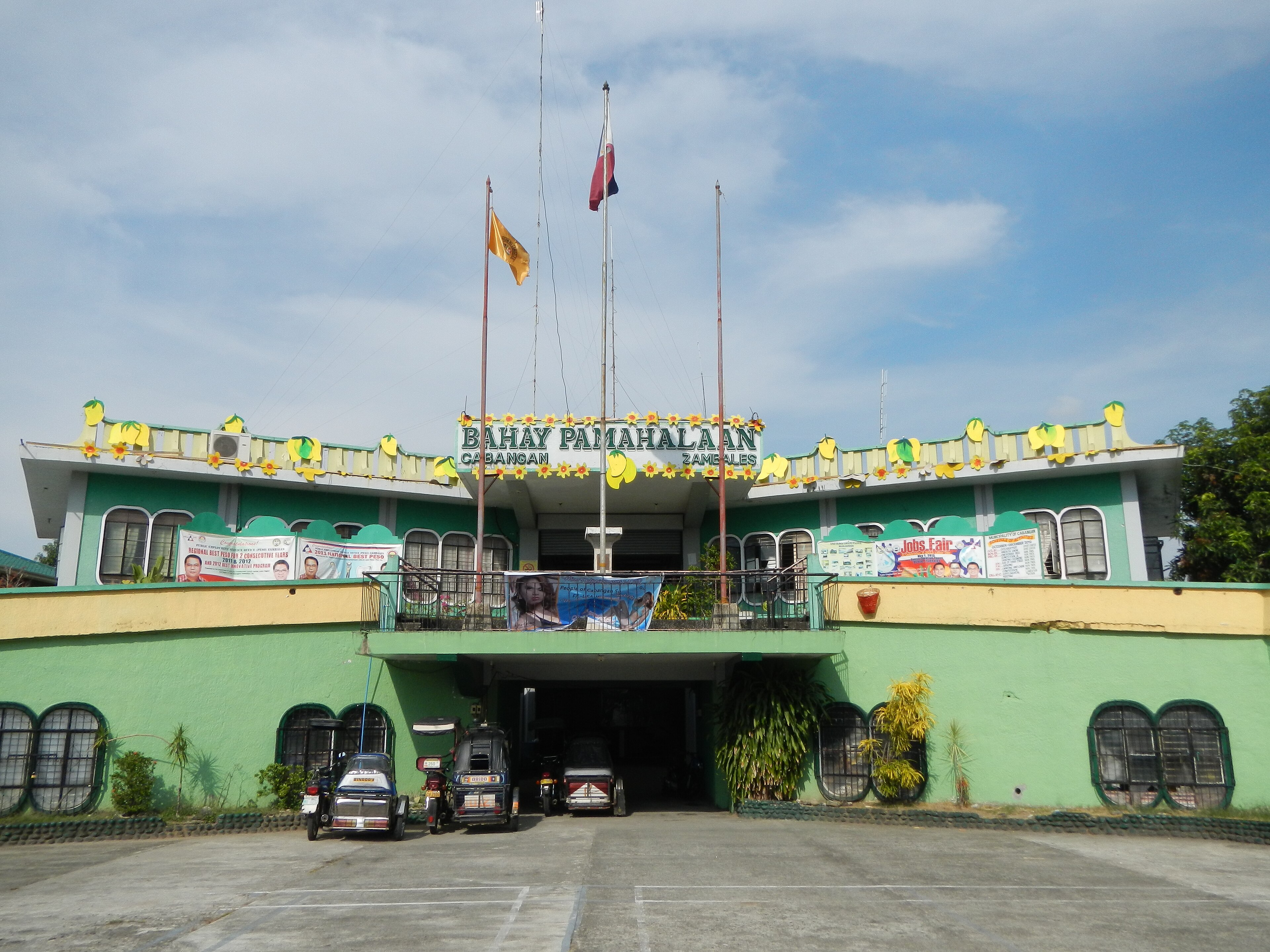
San Jose, Philippines is a submarine cable landing point in Philippines (coordinates 12.3626°, 121.0501°). It serves 3 submarine cable systems, making it a multi-cable landing site in Philippines's international connectivity infrastructure.
San Jose, officially the City of San Jose, is a component city in the province of Nueva Ecija, Philippines. According to the 2024 census, it has a population of 156,714 people, making it the second most populous city in Nueva Ecija after Cabanatuan, and a key urban center in the northern part of the province. Wikipedia
Connected submarine cables
| Cable | RFS | Length | Owners |
|---|---|---|---|
| Submarine Cable in the Philippines (SCiP) | 2022 | 1,638 km | DITO Telecommunity |
| Boracay-Palawan Submarine Cable System (BPSCS) | 2013 | 332 km | Globe Telecom |
| National Digital Transmission Network (NDTN) | 1999 | 1,400 km | Telecoms Infrastructure Corporation of the Philippines (TelicPhil) |
Operators landing at San Jose, Philippines
Cables landing at San Jose, Philippines are operated by 3 distinct consortium partners and carriers, including DITO Telecommunity, Globe Telecom, Telecoms Infrastructure Corporation of the Philippines (TelicPhil). Each cable is typically jointly owned by a consortium of tier-one carriers and hyperscale operators who share construction costs and capacity; the operator mix reflects both regional incumbents and global players with interest in the routes served by this landing point.
Connectivity profile
From San Jose, Philippines, international traffic can reach 1 countries through 3 cable systems. Destinations include Philippines.
Monitoring status
No monitoring incidents were recorded on cables serving San Jose, Philippines in the past 90 days — all connected systems remained within normal latency thresholds. Our monitoring network continuously samples latency from external probes to targets reachable via these cables.
About the cables
- Submarine Cable in the Philippines (SCiP) (2022) — Submarine Cable in the Philippines (SCiP) is a domestic submarine cable system within Philippines, linking 17 landing points including Allen, Philippines, Batangas, Philippines, Butuan City, Philippines, Cagayan de Oro, Philippines and others. It strengthens domestic network resilience in Philippines by providing submarine connectivity between coastal and island communities. Read more →
- Boracay-Palawan Submarine Cable System (BPSCS) (2013) — Boracay-Palawan Submarine Cable System (BPSCS) is a domestic submarine cable system within Philippines, linking 5 landing points including Boracay, Philippines, Caticlan, Philippines, Coron, Philippines, San Jose, Philippines and others. It strengthens domestic network resilience in Philippines by providing submarine connectivity between coastal and island communities. Read more →
- National Digital Transmission Network (NDTN) (1999) — National Digital Transmission Network (NDTN) is a domestic submarine cable system within Philippines, linking 4 landing points including Dumaguete, Philippines, Iloilo City, Philippines, Lucena, Philippines, San Jose, Philippines. It strengthens domestic network resilience in Philippines by providing submarine connectivity between coastal and island communities. Read more →
What next: San Jose, Philippines in the global directory of cable landing points; see surrounding routes on the interactive submarine cable map or follow live network monitoring.
Other Landing Points in Philippines
FAQ
Landing Point
- CountryPH Philippines
- Coordinates12.3626°N 121.0501°E
- Connected Cables3
See Real Cable Routes
View actual submarine cable routing from San Jose, Philippines - with backbone nodes, distance calculations, and latency estimates
Open Calculator →